A Deep Dive into Cryptocurrency-Only Online Casinos: Wallets, Anonymity, and Volatility
 Doris Powell
4 min read
Doris Powell
4 min read
Let’s be honest—the world of online gambling is changing. Fast. And right at the bleeding edge are crypto-only casinos. These aren’t your typical sites with a “crypto option” tucked in the corner. No, these platforms live and breathe digital currency. They promise a different kind of experience, one built on blockchain tech, but that comes with its own unique set of rules, risks, and, frankly, thrills.
So, what’s the real deal? We’re going to peel back the layers on the three pillars that define this niche: the wallets you need, the anonymity they offer (or don’t), and the elephant in the room—crypto’s infamous volatility. Buckle up.
The Digital Vault: Understanding Crypto Wallets
First things first. You can’t play at a Bitcoin casino or an Ethereum casino without a wallet. Think of it less like a leather billfold and more like a combination of a bank account and a keychain. It holds your public address (where people send funds) and your private keys (the absolute master key to your crypto). Lose those keys, and your money is gone forever—poof. It’s a level of personal responsibility traditional banking just doesn’t demand.
Hot vs. Cold: Where Do You Keep Your Stash?
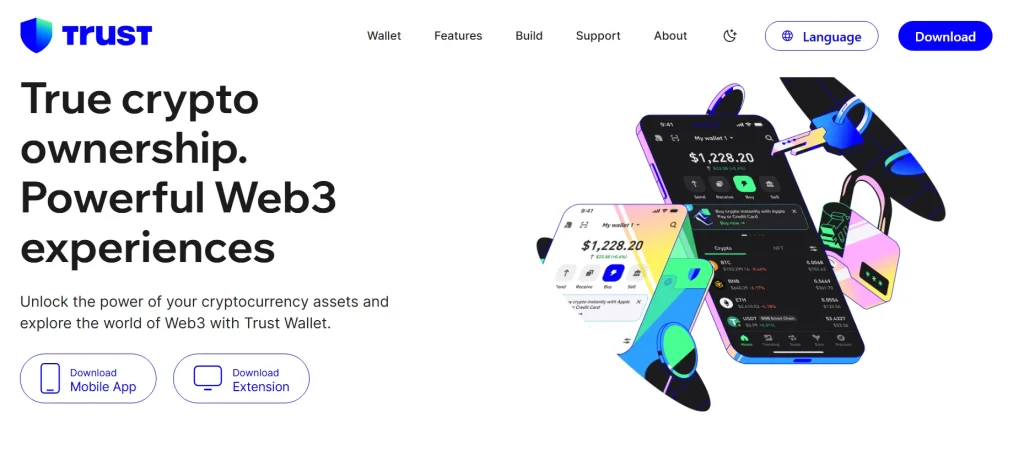
For casino play, you’ll likely use a “hot wallet”—software connected to the internet, like MetaMask, Trust Wallet, or Exodus. They’re convenient for quick transactions, which is perfect for depositing and cashing out. But here’s the catch: because they’re online, they’re inherently more vulnerable.
The gold standard for security is a “cold wallet”—a physical hardware device like a Ledger or Trezor that stores your keys offline. The smart move? Use a cold wallet for your long-term holdings and transfer only what you’re ready to gamble with to a hot wallet. It’s an extra step, sure, but it separates your gambling fund from your life savings.
One more thing—transaction fees. Sending Bitcoin isn’t always free, and on the Ethereum network, gas fees can sometimes sting. You learn to check network congestion before you make a move. It’s part of the game.
The Privacy Mirage: Anonymity in Crypto Gambling
This is the big sell, right? Play in total secrecy. No bank statements, no personal data shared. And look, it’s true that crypto casinos typically require far less personal info than regulated fiat casinos. Often, just an email and a wallet address gets you in the door. That’s a huge draw for privacy-conscious players.
But—and this is a crucial but—let’s not confuse pseudonymity with true anonymity. Your transactions are permanently recorded on a public ledger, the blockchain. Anyone can see the flow of funds to and from the casino’s wallet. If your wallet address is ever linked to your real identity (through an exchange KYC, for instance), the trail becomes visible.
Some casinos try to enhance privacy by integrating coins like Monero (XMR), which is designed to obscure transaction details. That’s about as close as you get to true anonymous gambling online. For most players on a Bitcoin casino, though, you’re trading the privacy of your personal details for the transparency of your financial trail. It’s a swap, not a total blackout.
Rollercoaster Economics: Navigating Crypto Volatility
Alright, let’s talk about the heart-pounding part. Cryptocurrency prices swing. Wildly. You could deposit $100 worth of Bitcoin, go to sleep, and wake up to find your casino balance is now worth $120… or $80. This volatility adds a whole second layer of gambling on top of the games themselves.
Here’s how it plays out in practice. Some players see this as a hidden opportunity. You might win big at the slots, hold your winnings in crypto as an investment, and potentially see them grow. Conversely, you could cash out a jackpot only to watch the coin’s value skyrocket the next week—a special kind of “what if” regret.
Smart crypto casinos have developed features to manage this:
- Instant Conversion: Some immediately convert your deposit into a stablecoin like USDT or USDC, or even into a proprietary “site credit,” insulating your play balance from market swings.
- In-House Volatility Tools: Others let you choose to lock in a fiat value for your session, so you’re betting in dollars, not satoshis.
The key is to know the rules of the house you’re playing in. Are you betting in crypto or in its dollar value? It changes everything.
Putting It All Together: Is It For You?
So, what’s the verdict on these crypto-only playgrounds? They offer speed—withdrawals in minutes, not days. They offer a degree of privacy that’s frankly refreshing. And they place the power (and burden) of financial security squarely in your hands.
But they demand a tech-savvy approach. You need to understand wallet security, accept the transparent nature of the blockchain, and have the stomach for potential price swings. It’s not for the casual player who just wants a quick spin without thinking.
The landscape is evolving, too. We’re seeing more provably fair games, where you can verify each roll or shuffle yourself. And the rise of decentralized casinos, running on smart contracts, promises to remove the “house” as a central operator entirely. That’s the next frontier.
In the end, crypto casinos are a fascinating experiment at the intersection of finance, technology, and chance. They strip away the old structures and ask you to build your own. That’s incredibly empowering, and a little bit daunting. Just like the technology itself.